

June 28th, 2026
The desire to see more accurate images of ourselves and what we think beautiful has proven a constant sand garden rippling around points of a collective experience, strewn across time zones and timelines.
In “Black Skin, White Masks” Frantz Fanon described his own endeavour to this end as a work in progress; “I should constantly remind myself that the real leap consists in introducing invention into existence. In the world through which I travel, I am endlessly creating myself.”
Twenty-four years later, 1976’s “I walk alone” Marijata mused on an expanding understanding as the process in which “I decide myself’.
However, any progress toward has almost instantly been greeted by reminders of where we’re expected to be; this consternation with our continued push back on any deviation from ideas not originating among ourselves tells of a greater mission.
Still, the reclamation of identity through media has assumed many forms, as the desire to talk about ourselves in our own visual language, first, continues to grow astride the expanding borders of selfhood.
As one side of a Trinbagonian-borne creative embryo, Naskademini’s oeuvre has been a lifelong study in reclamation.
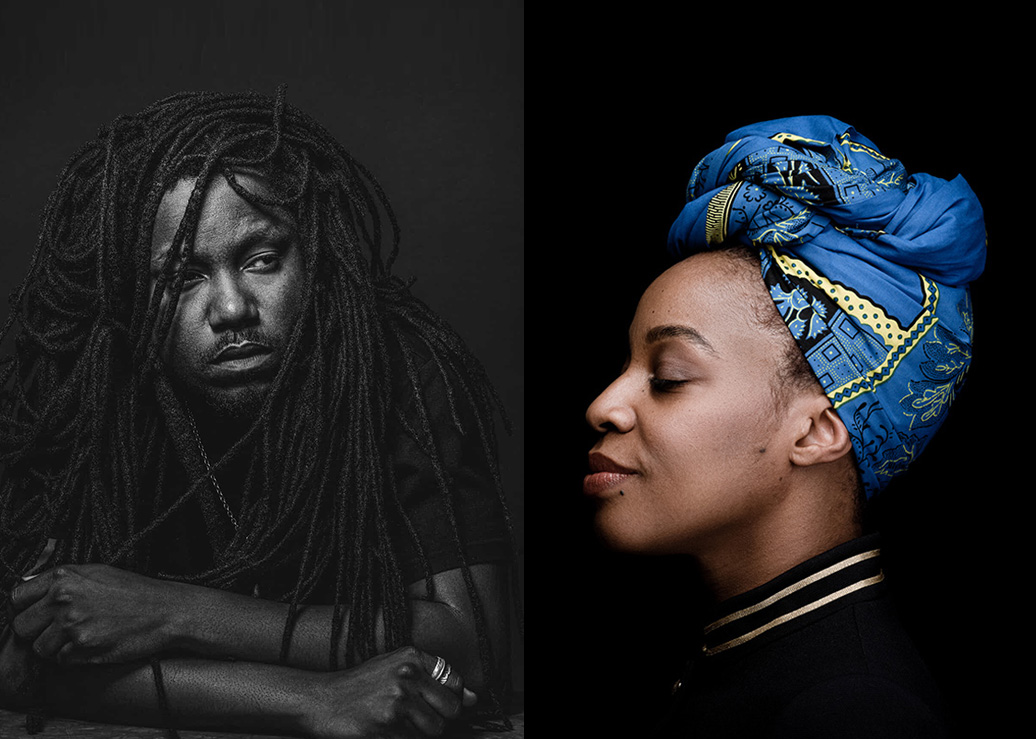
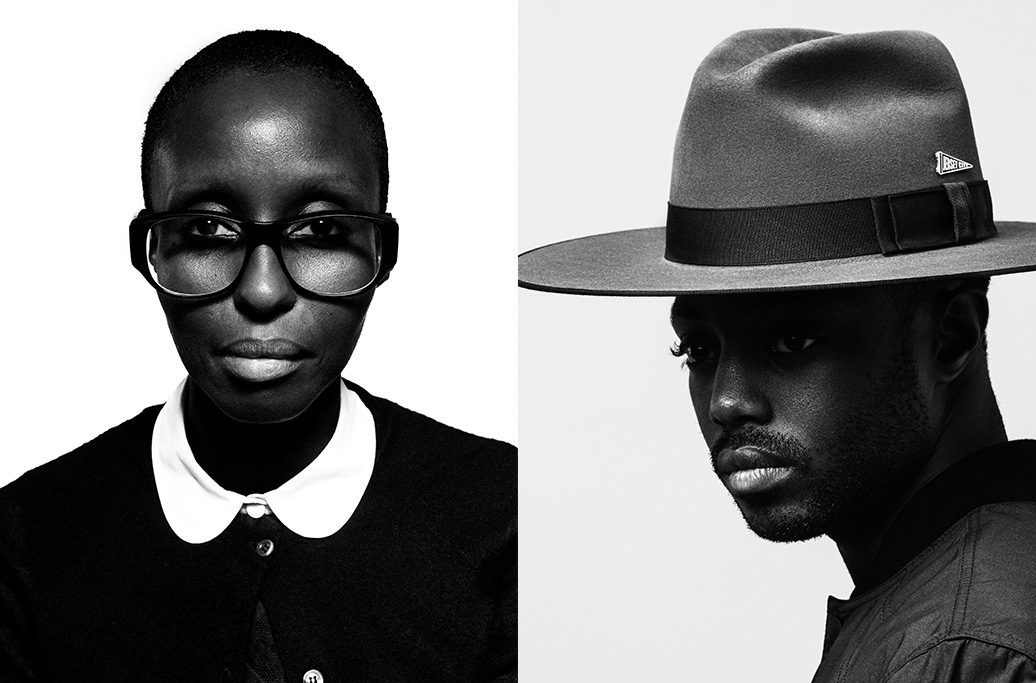
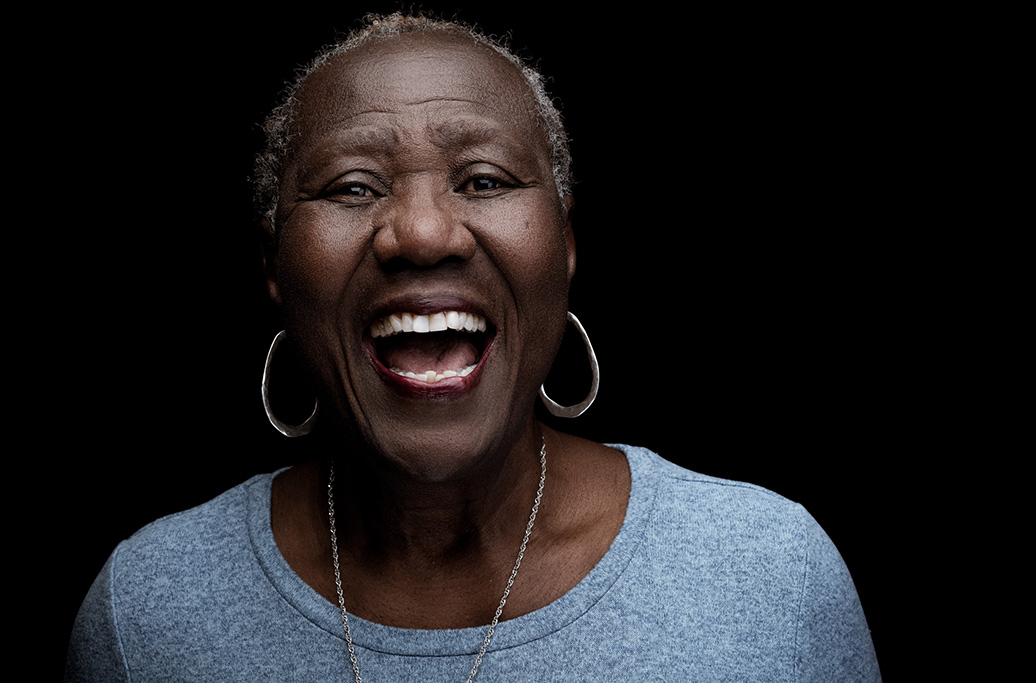
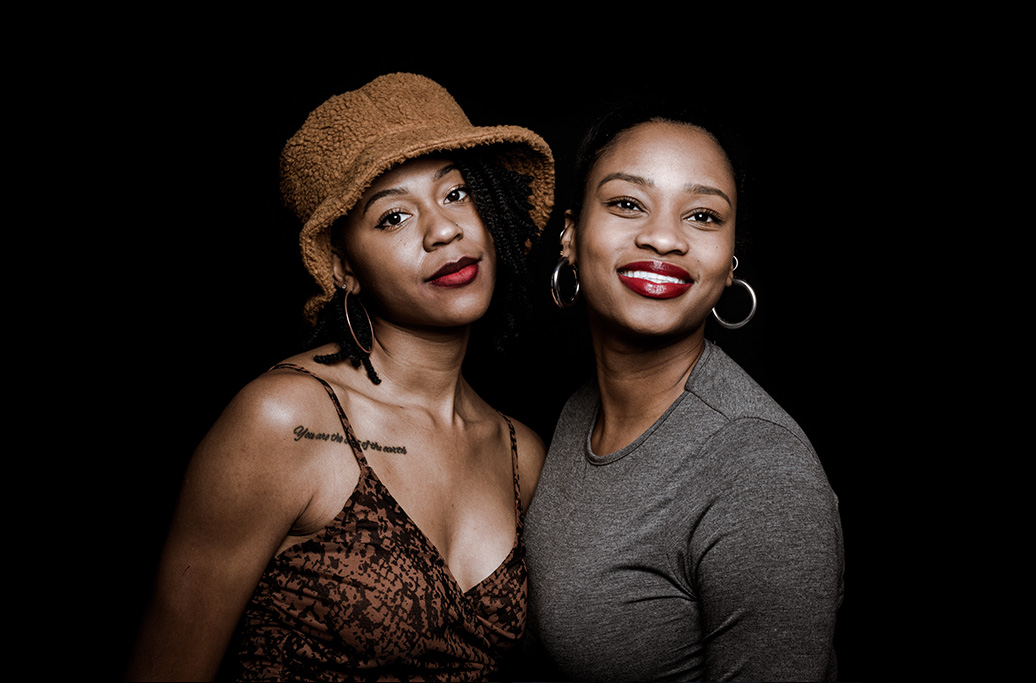
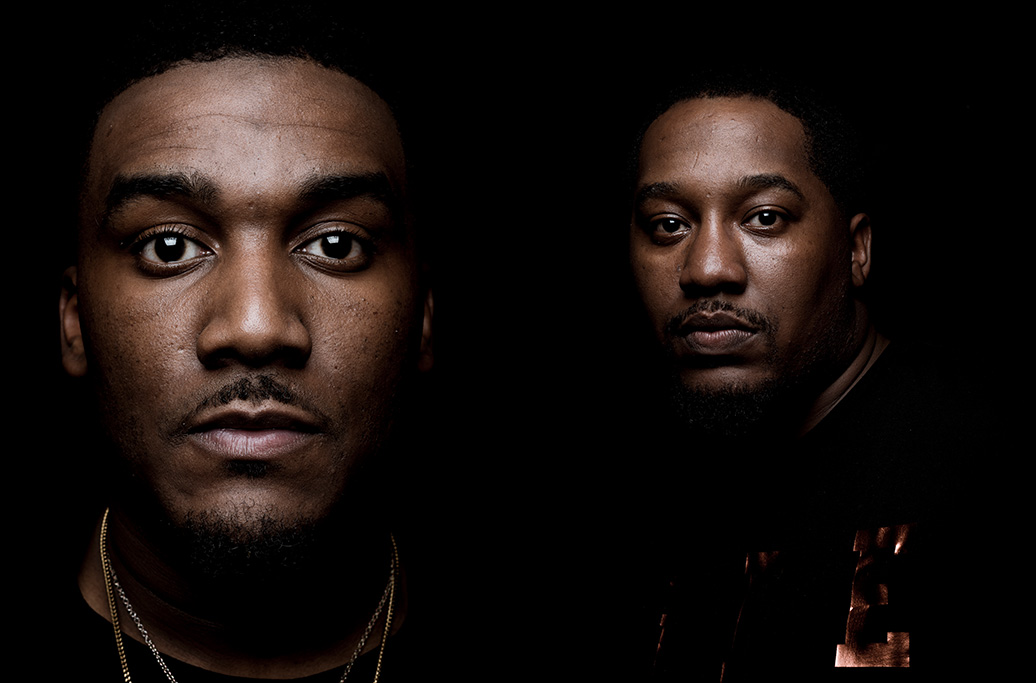
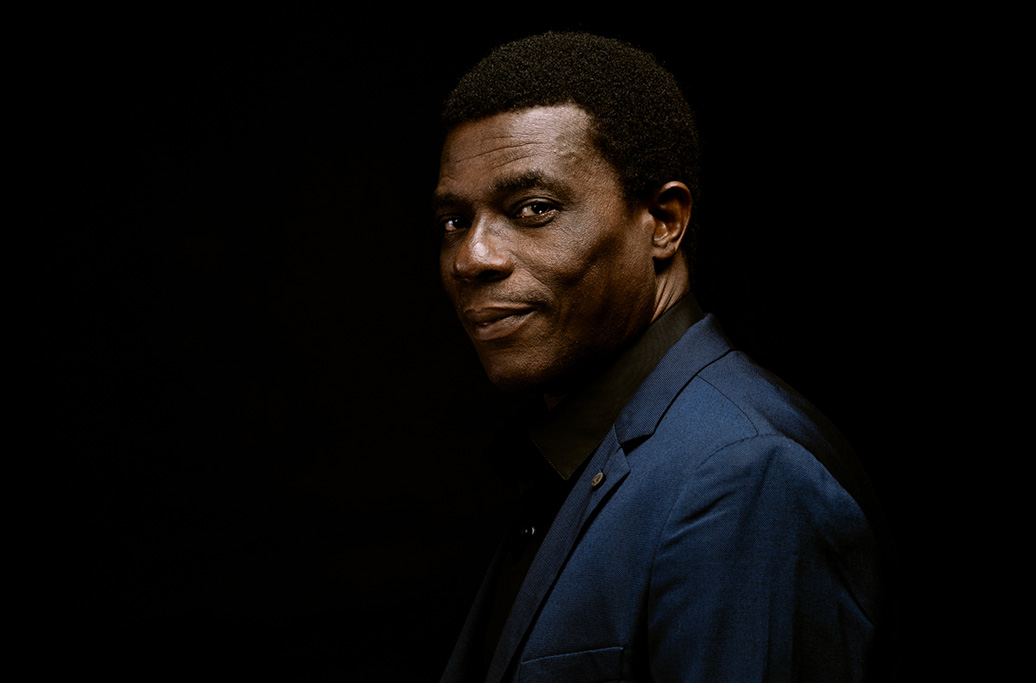
The Montreal-based photographer’s ability to transmute a new vision of us, one frame at a time, in terms which are more felt than described, stands as a shot-by-shot record of a growing flipbook of rediscovered, glowing terms.
“I feel like a lot of how we see ourselves, and a lot of how the world sees us, has always been through someone else’s lens.”
What do you remember being your first image, the first image that you consciously created or unconsciously just out of play…your first camera…
Naskademini: Wow, I’ve thought of that question myself and it’s hard for me to pinpoint. I just remember as a child I have always been someone who, I have always had vivid dreams. I even think I dream in colour sometimes as I remember colours in the dream although they say as we dream in black and white. So, I think I guess the first images I ever conjured up were images in my dreams. Sometimes I would just think deeply about a way of lighting someone or a way of letting light do its magic before my studio work just in terms of outdoors and disposable cameras or stuff like that. I can’t remember what that first image was in terms of my first camera but I just know I’ve always been somebody who’s always been an artist at heart when it came to like drawing or graffiti or things like that it’s always been me expressing myself visually so I think my first photo was probably actually a drawing and actually not even a photo.
What about your upbringing in Canada. Was it, from your impressions, decidedly Trinbagonian?
Naskademini: I would say yes, I mean my parents still held obviously cultural views in terms of the cooking in terms of the music being played so I would say that our experiences growing up in Montreal still felt very Caribbean and Trini.
Also, the area we grew up in was full of people from other places, such as Grenada, Barbados, and Trinidad, so I think even in our neighbourhood, we grew up in a very multicultural Caribbean environment that shaped our views on life. I always say that, compared to our Canadian-born friends or parents, I think Caribbean people have a very different sensibility than Canadians, so I think that really informed the way we see the world for sure.
Which is kinda leading up to my next question growing up in two worlds one outside and one when you came back home was it, to use a kind of word that may not fit, but was it kind of anthropological for you to experience society or was it just because that’s all you knew on both sides and did having that blend give you a different perspective on life outside of your household?
Naskademini: I would say It definitely was an eye-opener to experience it for the first time in adulthood.
Everything you’ve seen and experienced as a child or heard about, you get to witness it under a different lens once you get there at a much older age.
As a kid you don’t really understand it but in the teenage years, adult you understand it more, you understand the dynamics of perception of how foreigners view the country and how the country views foreigners and you get to learn about that especially when you are going into that as a photographer you’re capturing the visuals that represent that space it definitely you know informs a lot of your thinking about what you thought you knew about a country or about a place or about a people versus how you actually experience it especially through the lens of a photographer
So, did any of that or anything about your early life encourage you to get into photography?
Naskademini: Yeah, my father was a DJ, and we grew up with a lot of vinyl records in the house, so for a very long time, I think subconsciously I used to study these album covers and subconsciously, they have seared in my mind. The aesthetics of it, the shape, the form, the lighting, the type of image that’s used, I think those things were always in the back of my mind. I was surrounded by images 24/7 so I think that really shaped the way I saw the world, and the way I saw people and the way I saw black people especially.
When you think back about all those album covers, what you tend to notice is that most of them were created by white men, some white women, but mostly white men, so when you think about what that really means in the grand scheme of things, it’s basically that the white gaze is informing us as to how we see ourselves as men on these album covers.
So when you see someone with a fedora tilted to the right or tilted down, that makes them look like a pimp, so to speak, you have to ask yourself, was that the choice of the artist or the photographer who’s taking the image
So I think part of my ethos today is trying to reshape that narrative trying to take back a certain level of power into being a black man composing images of other black men and black women and reshaping, retelling the new narrative of how we should look and feel when represented onscreen.
What would you say is the narrative that you are trying to shift to in your image making?
Naskademini: It’s not just to shift the narrative, it’s more to just be in control of the narrative, telling stories in ways that we see fit or in ways that we deem culturally appropriate.
I feel like a lot of how we see ourselves, and a lot of how the world sees us, has always been through someone else’s lens. When you travel abroad to different countries in Asia or different places where there is a small population of black people, their image of us is always through what Hollywood or TV has shown them of us, which oftentimes has been the American, the African American stereotype about black people.
We’re not a monolith, and we all move in different spaces, in different light, so I just feel like when it comes to photography, ‘what does that look like?’
Even if I’m photographing people in Canada, what does the Canadian black man or black woman look like and feel like within the context of photography compared to American counterparts or Caribbean counterparts, so I think it’s about reinforcing the telling our own stories and not shifting the narrative.
I know you spoke about your being around your father as a DJ, there being some influence from that, but did you have a mentor when you decided you wanted to be a photographer, or who were you inspired by, who did you look to in those formative moments?
Naskademini: So when I decided that I wanted to take photography a lot more seriously, I didn’t have any mentors; I started off with people whose work I admired, and it just got me thinking about the same thing with the white gaze. The same thing started happening. I started off seeing the same things in terms of the photography books I would buy.
It was really hard to find a lot of books from black authors and the ones I did find I started buying right away and collecting because they were so few and far between.
And again, with the mission of trying to reshape even my exposure to the white gaze, because we all have that psychological thing that happens where you consume so much information and content that you start mimicking what you see.
So even to repair my imagination I had to relearn what black faces look like under the gaze of a black person, taking that image, so I started collecting a lot of photography books from black authors living and some deceased of course , Malick Sadabet, Roy de Caroba, many different artists that I just respect, whose work I love so they started off as visual mentors.
And the more I got into finding my own style I started building a community around me of other photographers that we appreciate each other’s work, people social media liking and commenting and socially building relationships of like-minded ideas.
Fast forward to a few years later, I connect with a photographer on tumblr by the name of Chi Modu who’s recently passed but Chi became a mentor of mine in the real sense of the word; somebody that I can go to for advice or discussions around the art of photography and everything else and learning stuff and just having deep conversations about you know the mind and photography and how it all works together
And Chi’s work, is well-renowned. He’s photographed Tupac, he’s photographed Biggie Smalls in their prime, he’s photographed many of the hip hop legends that we know today who are no longer with us.
Chi himself has since passed on, but he was my first mentor in photography.
Okay and what is it about portraiture…I’m assuming you just tried a lot of different forms, but what is it about portraiture that made you stick with it or that stuck with you, you think?
Naskademini: For me it was really about legacy or thinking about what do I want to be remembered or celebrated for 40 years from now and portraiture or my way of working with people and lighting people just became my goal into making a conscious effort.
To decide what I want to be celebrated for and to get my 10 thousand hours in, so to speak, into performing that one specific task right and with intention and with purpose every single time.
So that is kind of what made me switch and have a deeper purpose in my work.
Has that evolved from when you started to now? How has that process evolved, you think?
Naskademini: Oh absolutely I think that evolution came into learning what I wanted out of each portrait and what I wanted to deliver to the person that was sitting for me so I think just, the thoughtfulness in my practice evolved with time.
The newer ideas, newer inspirations, newer concepts just constantly taking in more information and more reference points from books and movies and different things, and just trying to constantly make that one career-defining image, so it’s the pursuit of making that one image that would change everything you know going forward.
And in that pursuit, has any one of your subjects impacted you in any kind of way? And maybe you could probably describe how you would go about taking a photo. I was looking at Platton who took a lot of presidential photographs. A lot of pivotal world leaders, he took their photographs, but he would try to disarm them in the process, and then they would come to some kind of middle point in their interaction. Has that happened with you? Is that something that you could relate to?
Naskademini: Yeah, absolutely. I feel like often times when a subject comes to the studio, it’s really a job of masking your true self to the lens, and I think oftentimes, like Platton would do, he would snap his finger or yell really loudly to get his subjects, to disarm them.
I don’t really believe in that approach personally I know it does work, but for me it’s more of spending as much quality time with the person that I’m allowed, in order to get to that point of them revealing themselves to you.
I think I have experienced many occasions when a subject and I would become simpatico, so to speak; we just get in sync with the mission, and I think that is due in part to the spiel or speech I give before each session.
I try to speak to each subject and give them a speech I have created to make sure we both achieve the same goal at the end of the session, and I think it helps break the ice, even with the shiest person ever. I feel like it helps to come to an understanding that we’re both in sync, in kinda what the goal is.
Because photography, not for nothing, or portraiture is a two person sport, right? It’s you and the subject and I feel like both parties have to participate and its not about whether I can make you look as pretty as you see yourself, man or woman, it’s whether or not you would allow me to be honest about how I see you.
And I feel like the selfie has kinda ruined that concept sometimes for people so I think that even with photography the reason why I speak to my clients first is because it has to be a part of education that goes between you and the subject so I feel like a conversation is always important to kind of educate the subject about what this exercise is all about so I feel like that allows for those moments to really like shine though afterwards.
We spoke about taking photos of people who have been photographed a lot. How do you think your process or your final product would differ, given your own perspective, when you deal with people who’ve already been seen before, you think? What different perspective do you think you bring to subjects like that?
Naskademini: I think it’s more about how do I tell my story of this person in my unique style.
I think when you’re a photographer, if you’ve developed a style or an aesthetic to your images no matter what I do it’s always going to be through my eye, so it will always be my photo or feel like mine because I am the one who photographed it.
The perspective will always be unique in that sense, but also trying to get a different regard or look in the eye or facial expression that you’ve never seen before
I remember there was a photo, it was during New York fashion week, and I was outside doing street photography of the models and the celebrities, the people who are coming to the fashion show.
And I remember that I had gotten a photo of Anna Wintour from Vogue where she was smiling and someone left a comment saying; ‘I have never seen a photo of her smiling before, I have never seen her like this before’ and that comment always stuck with me because that’s when I realised there was an importance in trying to get a look out of someone that no one has seen before.
Now I think that is usually the goal, and again the look can be subtle but it’s enough that the artist themselves would see it every single time and hopefully other people who share the same like frequency would also see it also.
Have you had, or was there somebody who was your favourite to shoot?
Naskademini: My favourite person to shoot would be my twin brother (visual artist, Marcus Troy) because I feel it every single time I get to photograph him it’s really me photographing myself because we are identical, and even though we’re not really the same person I feel like it’s always a practice for how I guess I would like to be seen in photography.
That really is always my favourite person to get in front of my camera.
There is an artist, Brianna McCarthy, who has spoken about her paintings, drawings and etchings being different versions of herself. So, having made that point, is it also the way that you think you would like to be seen coming out in the way you spoke before, when you photograph black people and people of colour?
Naskademini: Yes, absolutely, yeah I think that there is a bit of a part of me that always leaps into the images that I am trying to create of other people I think I see myself or at least try to see myself in each portrait that I take of people and I think it is also important to make sure that your subject is always in the right light. We should never ever have our subjects in a compromising position, even when you are going through the images in the end to find the best image that represents the art, you and them too. Right?
Sometimes you see images go out into the media of certain celebrities as an example, so often and they are oftentimes not flattering either because the photographer is trying to send a message or they are not conscientious of how these people look especially when it’s black men and black women.
It’s about just being conscious and always making sure that the person that you are photographing is seen in the right light so, coupling that with how I see myself, how I like to be seen, I think I always try to put the best images of the people to represent them and how I would want to represent myself if I were being seen or shot.
And you speak about some of your current projects and how they relate, I guess, to your original intention coming into the photography space.
Naskademini: I think every image that I create or have been creating lately is just me advancing the goal of my personal propaganda to push the black gaze and the black human out publicly, so I feel like every time I snap an image or make an image, it’s just to advance that goal and yeah it definitely…it’s still a journey to that but it’s every day, every day I share an image a black person under my light its advancing my goal to what I want to be celebrated as in the future and the documentation of these people that I am putting out into the world.
Looking back how do you view your journey from the start to now? When you look back on it how do you feel about how your career has progressed, careers so to speak?
Naskademini: I think I’m happy with the way my career has been progressing.
I think that I have been fortunate to see the world, to have my camera be the tool that got me to see the world and to travel and to meet amazing people across the globe and to build real connections through photography and visuals with other people, people of notoriety and everyday people also.
I feel like that is not a trajectory that all my photographer peers have had opportunities to do, and I think I’m really blessed to have reached those heights in my career thus far while still pursuing that perfect image that is going to change my career forever.
I think that every photographer might have an opportunity one day to get a life changing image that just changes the way the world sees you and the way you see the world and just puts you in a different stratosphere of visual greatness so I feel like that pursuit is definitely a goal of mine for sure .
I think I have it there unless you want to give advice to young photographers or to anybody creative?
Naskademini: I think my advice to young commercial photographers is always; when you are starting out never let anyone know when you started, to actually go to the world to create, and never let anyone know I just started yesterday, to allow them to downplay your passion or your skill level or even your innate talent.
It’s a way that people use it to limit you or distract you or discourage you to from getting paid whatever value you set to your work.
I think just covertly practice your craft and go out there with confidence, and just always stay learning. If you are self-taught, you can teach yourself at the pace that you see fit.
Never let them know when you started, and always keep pushing.
Thanks for chatting with us Naskademini
Interviewer | Writer: Jovan Ravello